
WorldLink CSR, in partnership with Psychdesk Foundation (a non-profit organization), conducted a comprehensive mental health assessment titled Psychological Status of Adolescents, Perinatal and Postnatal Women, and Adults in Kathmandu, Baitadi, and Darchula. The study aimed to generate an evidence-based understanding of mental health conditions, psychological distress, and the key risk and protective factors affecting school-going adolescents, adults, and perinatal/postnatal women across both rural and urban communities of study area. Using a mixed-methods research approach that integrated quantitative surveys and qualitative inquiry, the assessment was carried out in Mahakali Municipality of Darchula, Melauli Municipality of Baitadi, and Kageshwori Manohara Municipality of Kathmandu. A total of 1,638 respondents participated in the study, including 770 adolescents, 516 adults, and 352 perinatal/postnatal women, alongside 10 Focus Group Discussions (FGDs) and Key Informant Interviews (KIIs).
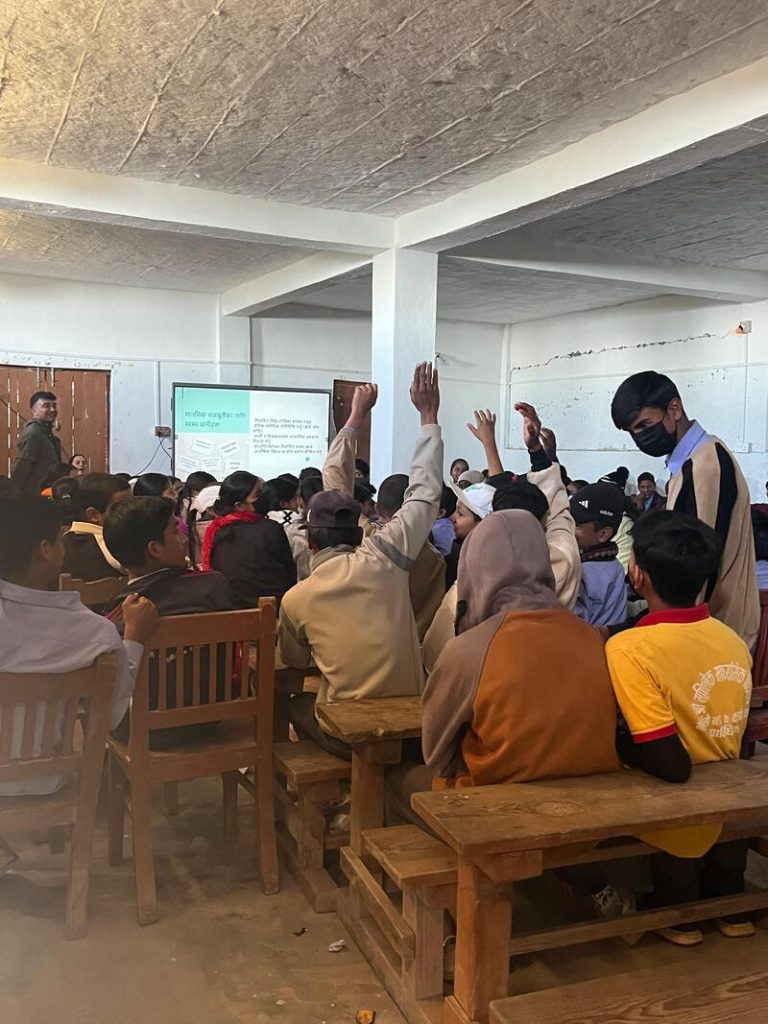
The findings reveal a growing yet often underrecognized mental health burden across diverse population groups in the study area. While many respondents reported overall stable mental wellbeing, a considerable proportion experienced mild to moderate levels of depression, anxiety, stress, and social media addiction. Adolescents particularly girls and urban youth, demonstrated higher psychological vulnerability, while perinatal and postnatal women faced significant emotional distress linked to stigma, limited psychosocial support, and inadequate mental health screening services. The study further highlights how mental health outcomes are shaped by interconnected social, economic, cultural, and geographic realities.
People in rural districts such as Baitadi and Darchula continue to face severe shortages of trained professionals and accessible mental health services, whereas those in urban center like Kathmandu are increasingly affected by academic pressure, workplace competition, and excessive digital exposure. Based on these findings, the report calls for strengthened school-based mental health programs, integration of mental health screening within primary healthcare and maternal health services, expansion of tele-mental health support systems, and large-scale community awareness initiatives to reduce stigma and promote early help-seeking behavior. The study also strongly advocates for policy-level integration of mental health into national health and education systems to ensure sustainable, inclusive, and equitable mental health care for all.
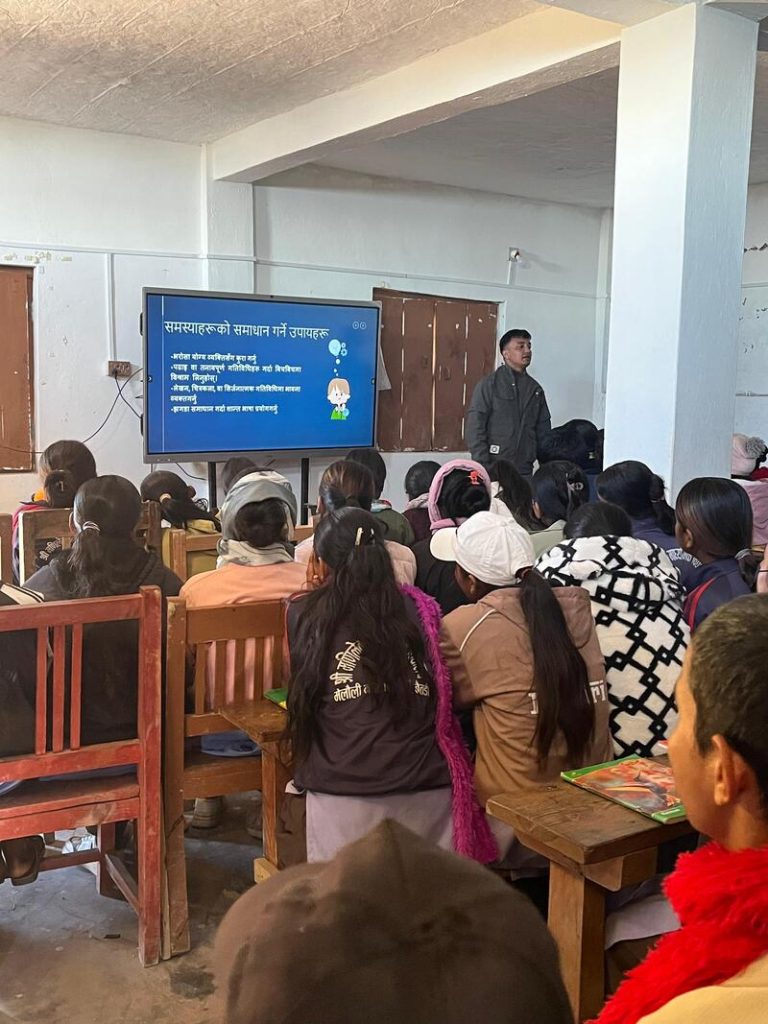
Based on the findings, the WorldLink CSR team and Psychdesk Foundation will develop a project to address the identified issues for intervention.